Sewage cleanup is the safe removal of sewage and contaminated water, disposal of affected porous materials, cleaning and antimicrobial treatment of salvageable surfaces, and structural drying. Sewage is black water, so cleanup uses containment and protective equipment, while a plumber clears or repairs the line that caused the backup.
- Stop using plumbing until the cause is fixed
- Sewage-soaked carpet and pad are removed
- Sewer backup coverage often needs an endorsement
- Septic systems can back up too
Last reviewed · Reviewed against the sources listed on this page
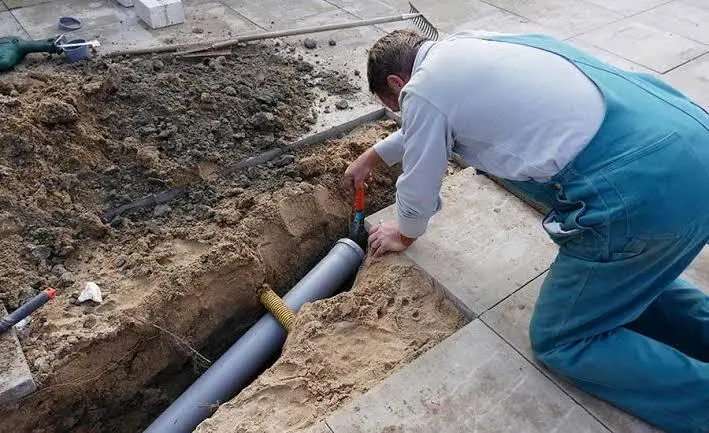
What actually causes a sewage backup? Sewage backups can come from a blocked main line, a failed sewer connection, roots in an older lateral pipe, an overwhelmed system during heavy rain, or a toilet overflow involving waste. In properties on septic systems — common in some parts of southern and western Fairfax County — a failing septic system can also back up into the lowest drains.
Because sewage can contain bacteria and other pathogens, cleanup focuses on safe removal, disposal of affected porous materials, thorough cleaning and sanitizing, and then drying.
01
Toilet overflows: clean water or sewage?
A toilet overflow from the tank or a clean bowl is usually treated as a lower-contamination loss if addressed quickly. An overflow involving waste — or water that came up from a floor drain or shower — is treated as sewage. Water that sits also becomes more contaminated over time, which is why prompt cleanup matters.
02
What sewage cleanup involves
- Containment to keep contamination from spreading
- Removal of sewage, solids and affected water
- Removal and disposal of contaminated porous materials such as carpet, pad and sometimes drywall
- Cleaning and applying antimicrobial treatment to salvageable surfaces
- Structural drying with moisture monitoring
- Documentation for your insurer or property manager
03
What NOT to do
- Do not try to clean sewage with a household vacuum or shop vac
- Do not keep using plumbing until the cause is fixed
- Do not save contaminated soft items like rugs, mattresses or upholstered furniture without professional advice
- Do not let children or pets into the affected area
04
What Causes Sewer Backups in Fairfax Homes?
- Tree roots entering older sewer laterals
- Grease, wipes and debris clogging the line
- Cracked, collapsed or offset pipes
- Heavy rain overwhelming the sewer system
- A failing septic system in areas not on public sewer
05
Is Sewage Water Dangerous?
Sewage can contain bacteria, viruses and other contaminants, so it is treated as hazardous. Avoid contact, keep children and pets out of the area, and do not run HVAC that circulates air from it. For health questions, talk to a medical professional.
06
How Long Does Sewage Cleanup Take?
Removal, cleaning and sanitizing are usually started on the first visit once the line is cleared. Drying follows over several days, and repairs come after drying is verified. Larger backups, finished basements and sewage that sat for a while take longer.
Not sure how serious it is?
A professional assessment shows exactly where the water went and what it will take to dry and restore your property.
Frequently asked questions
Who fixes the cause of a sewer backup?
A licensed plumber clears or repairs the line. A restoration team handles the cleanup, sanitizing and drying. We can coordinate timing so cleanup begins as soon as the cause is addressed.
Can carpet be cleaned after a sewage backup?
Carpet and pad contaminated by sewage are generally removed and disposed of. Hard, non-porous surfaces can typically be cleaned and sanitized.
Is a sewage backup covered by insurance?
It depends on your policy. Some policies require a specific endorsement for sewer or drain backup. We document the loss thoroughly; your insurer determines coverage.