A sewage backup or a toilet overflow with waste is black water. Stop using the plumbing, keep people and pets away, avoid contact, and call a plumber for the blockage and a restoration team for cleanup, sanitizing and drying.
- Stop flushing and running water
- Treat backups from floor drains as sewage
- Contaminated porous items are discarded
- Sewer backup coverage often needs an endorsement
Last reviewed · Reviewed against the sources listed on this page
Sewage backups usually show up at the lowest drains in a property: basement floor drains, lower-level showers and toilets. Gurgling drains, slow drainage throughout the house and sewer odors are common warning signs before a backup.
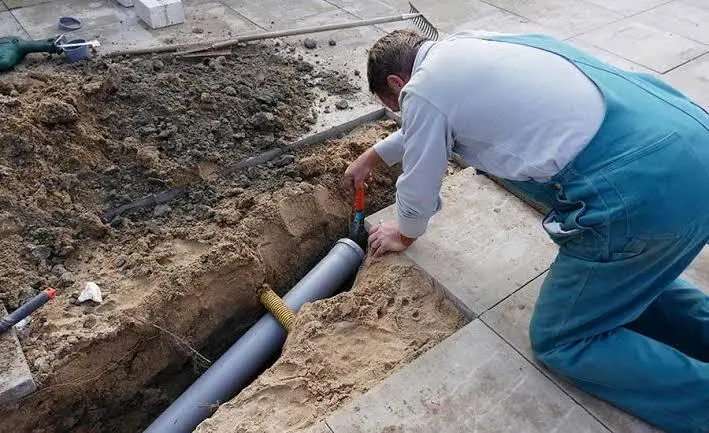
Causes include roots in older sewer laterals, grease and wipes clogging the line, collapsed or offset pipes, a municipal line issue, heavy rain overwhelming the system, or a failing septic system in areas not on public sewer.
01
Toilet overflow
If a toilet overflows, turn the supply valve behind it clockwise to stop the water. Clean-tank overflows caught quickly are handled differently than overflows with waste or water that rises from below. If water came through the ceiling from an upstairs bathroom, the ceiling drywall and insulation need to be checked.
02
Do not
- Do not touch sewage without protective equipment
- Do not use household fans that may spread contaminants
- Do not keep running water, flushing or doing laundry
- Do not try to save soaked carpet or upholstered items
Not sure how serious it is?
A professional assessment shows exactly where the water went and what it will take to dry and restore your property.
Frequently asked questions
Is a toilet overflow considered sewage?
It depends on the water. Clean water from the tank or bowl is lower risk if handled quickly. Overflows containing waste, or water that backs up from drains, are treated as sewage.