After a burst pipe, shut off the main water valve, open a faucet to relieve pressure, stay away from wet electrical areas, document the damage and call a plumber for the repair and a restoration team for the water. Burst-pipe water spreads into walls, ceilings and subfloors, so moisture mapping is essential.
- Know where your main shut-off is
- Frozen pipes often leak when they thaw
- Water travels farther than it looks
- Insulate pipes in exterior walls and crawl spaces
Last reviewed · Reviewed against the sources listed on this page
Pipes burst for a few reasons: freezing (common during cold snaps in Northern Virginia), corrosion in older plumbing, high water pressure, failed fittings or physical damage. Supply lines are under constant pressure, so a break keeps flowing until the water is shut off.
Frozen pipes often burst in exterior walls, unheated garages, crawl spaces, attics and near hose bibs. The break may not leak until the ice thaws — which is why burst pipes are frequently discovered on the first warm day after a freeze.
01
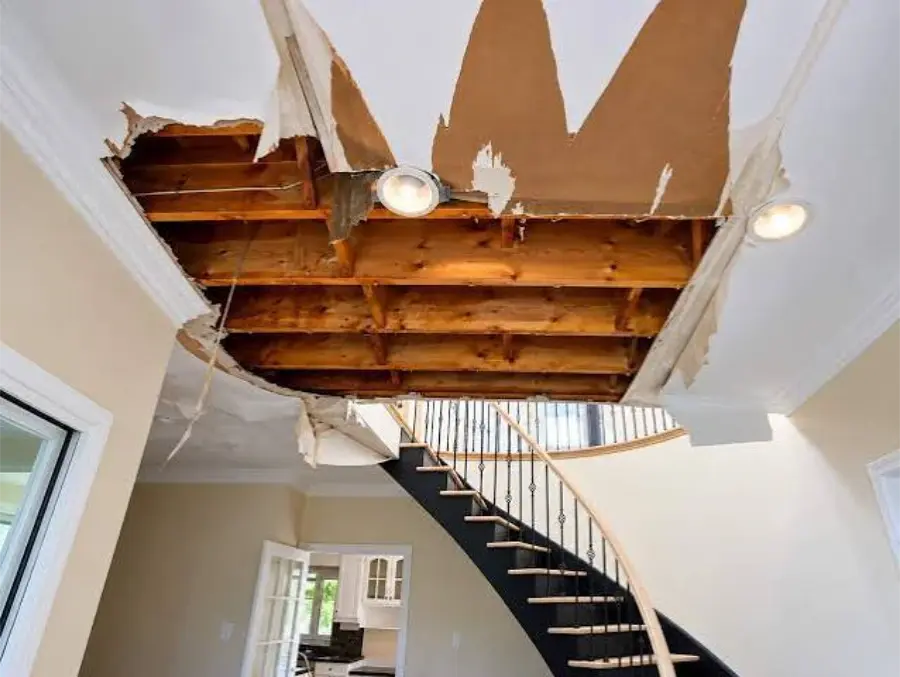
Where burst pipe water goes
Water from an upstairs break often travels down through the ceiling, along framing and into the room below. A break inside a wall can soak insulation and the bottom plate without obvious signs on the surface. Moisture mapping is essential to find the full extent.
02
Restoration after a burst pipe
- Extraction of standing water and saturated carpet
- Moisture mapping of walls, ceilings and floors
- Controlled opening of walls or ceilings only where needed
- Structural drying and monitoring
- Repairs after drying is verified
03
Preventing frozen pipes
- Disconnect garden hoses and shut interior valves to hose bibs before winter
- Insulate pipes in crawl spaces, garages and exterior walls
- Keep the heat on when traveling
- Open cabinet doors under sinks on exterior walls during hard freezes
- Know where your main shut-off is before you need it
Example scenario: frozen pipe burst above the kitchen ceiling
An illustrative example of a typical Fairfax-area water loss — not a specific customer project.
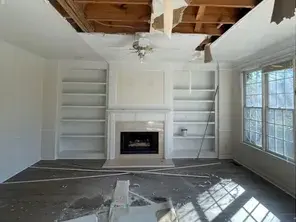
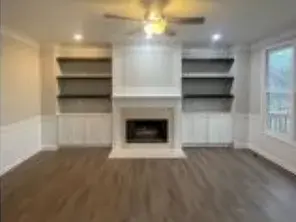
What happened
During a hard freeze, a supply line running through an exterior wall froze and split. When it thawed, water came through the kitchen ceiling, soaked insulation and ceiling drywall, ran under cabinets and spread across hardwood into the family room and hallway.
How it is typically restored
- Main water shut-off confirmed; plumber repaired the pipe
- Extraction of standing water from floors
- Wet ceiling drywall and saturated insulation removed above the kitchen
- Cabinet toe-kicks removed to dry the cavities beneath
- Targeted drying of hardwood flooring; family room contained to focus drying
- Moisture points monitored and recorded through drying
Outcome
Ceiling, insulation and finishes were restored once drying was verified. The repaired pipe was insulated to reduce freeze risk.
Not sure how serious it is?
A professional assessment shows exactly where the water went and what it will take to dry and restore your property.
Frequently asked questions
Who fixes the pipe — you or a plumber?
A licensed plumber repairs the pipe. Our team handles the water damage: extraction, drying, documentation and repairs to affected building materials.
Is burst pipe damage covered by insurance?
Sudden and accidental pipe bursts are often treated differently from long-term leaks, but coverage depends on your policy and circumstances. Your insurer makes that decision; we provide documentation.